Atilla
Sustainability

Environment & Resources

Considering materials, resources and the life of what we create.

Materials, resources and long-term use

Make better decisions earlier.

The environmental implications of a building or product begin with decisions about its purpose, design and material requirements. A specification can influence service life, maintenance, resource use and the amount of work needed during production or construction. Considering these relationships early creates more useful choices than addressing them only at the end.

Our approach focuses on the resource decisions relevant to each activity: coordinating material quantities in a project, selecting suitable furniture for an interior, planning fabrication, or considering packaging within a product’s route to market. Local conditions and the available technical information determine which improvements are practical.

Environment & Resources
Focus areas

Resources considered from design to use.

01

Material suitability & service life

A material should be assessed in relation to the application, expected conditions and maintenance needs. Durability and suitability can influence the frequency of replacement and the resources needed over time. Product and project information should support these decisions.
02

Design coordination & rework

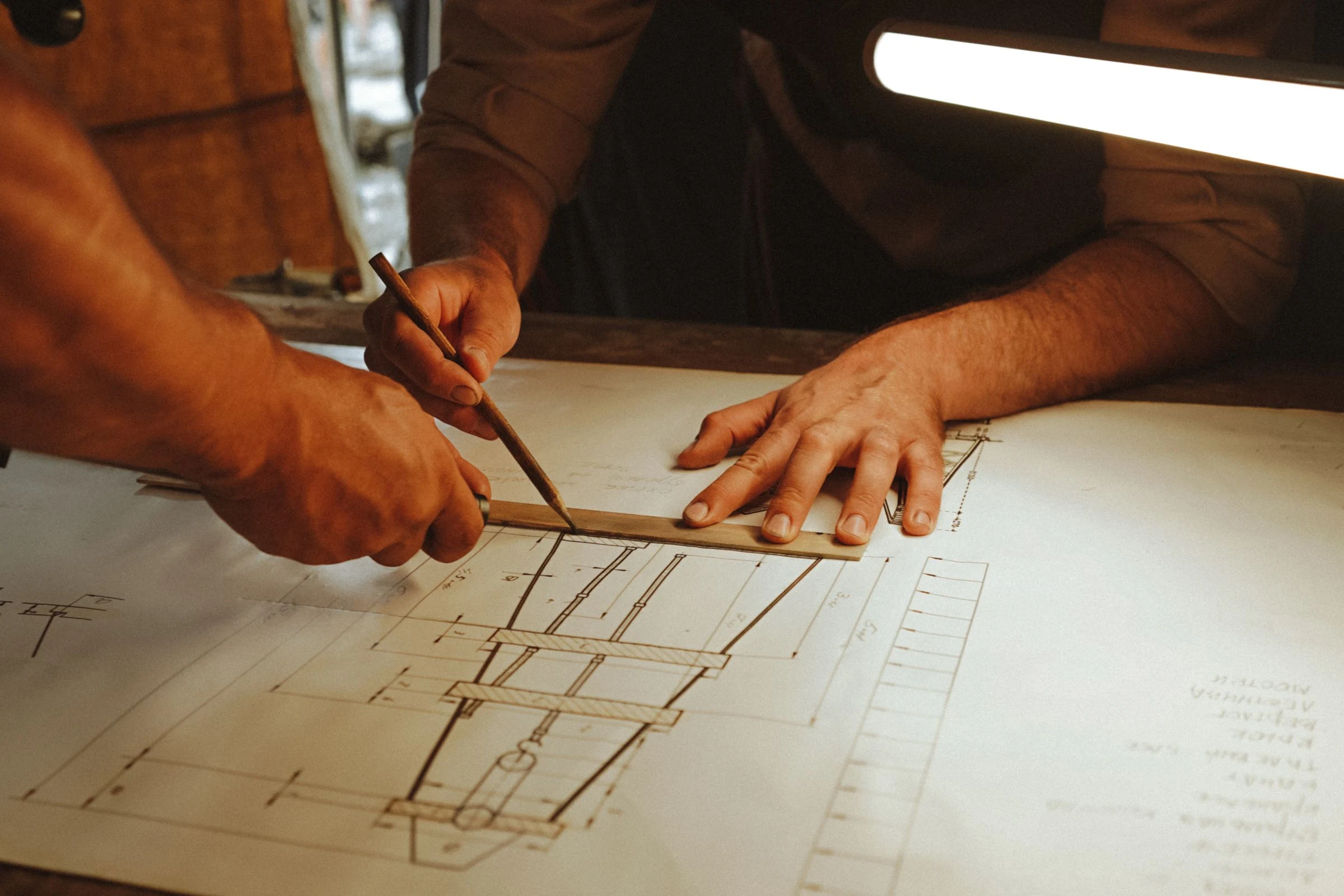
Changes caused by unresolved interfaces can lead to additional materials, transport and labour. Coordinating architecture, engineering and production requirements earlier helps identify conflicts before they reach the workshop or site, where corrective work may be more resource intensive.

03

Purchasing & production planning

Ordering quantities and sequencing production around the agreed requirements can reduce avoidable surplus and repeated handling. The relevant team should connect purchasing decisions with current technical information, storage conditions and the timing of the work.

04

Waste & local arrangements

Waste considerations need to reflect the materials and processes involved. Site and production teams should identify appropriate handling arrangements and the local responsibilities for collection, separation and disposal as part of organising the work.

05

Packaging & movement

Packaging protects products but also uses materials and affects transport and handling. Its suitability should be considered with the product, intended market and distribution route. The aim is a workable balance between protection, presentation and resource requirements.

06

Maintenance & adaptability

The way a building or interior is maintained affects its continuing usefulness. Accessible systems, appropriate finishes and layouts that support changing needs can help assets remain functional. These choices belong in the design brief and product-selection process.

From principle to practice

Long-term usefulness is part of the brief.

A space that is difficult to maintain or adapt may require substantial intervention earlier than expected. Design discussions should therefore consider access, replacement, operating requirements and the intended life of key materials and systems alongside appearance and initial cost.

The same thinking applies to products. Furniture needs to suit its expected use; manufactured elements need coordinated specifications; packaged goods need appropriate protection and handling. Decisions should be based on the relevant product information and practical operating context.

Environment & Resources
Working approach

How the work is connected.

01

Map material needs

Identify the main materials, production processes, packaging and resource requirements of the activity.

02

Compare suitable options

Review functionality, service life, maintenance and supply considerations using available technical information.

03

Coordinate implementation

Connect specifications, purchasing quantities and the sequence of work to avoid unnecessary changes and handling.

04

Learn from use

Review waste, maintenance and operational feedback where information is available to improve future decisions.

Resource priorities in different activities.

Architecture, Engineering & Design

Construction & design

Material specifications and technical interfaces affect purchasing, site work and the long-term performance of a building.

Explore this activity
Steel Production

Steel production

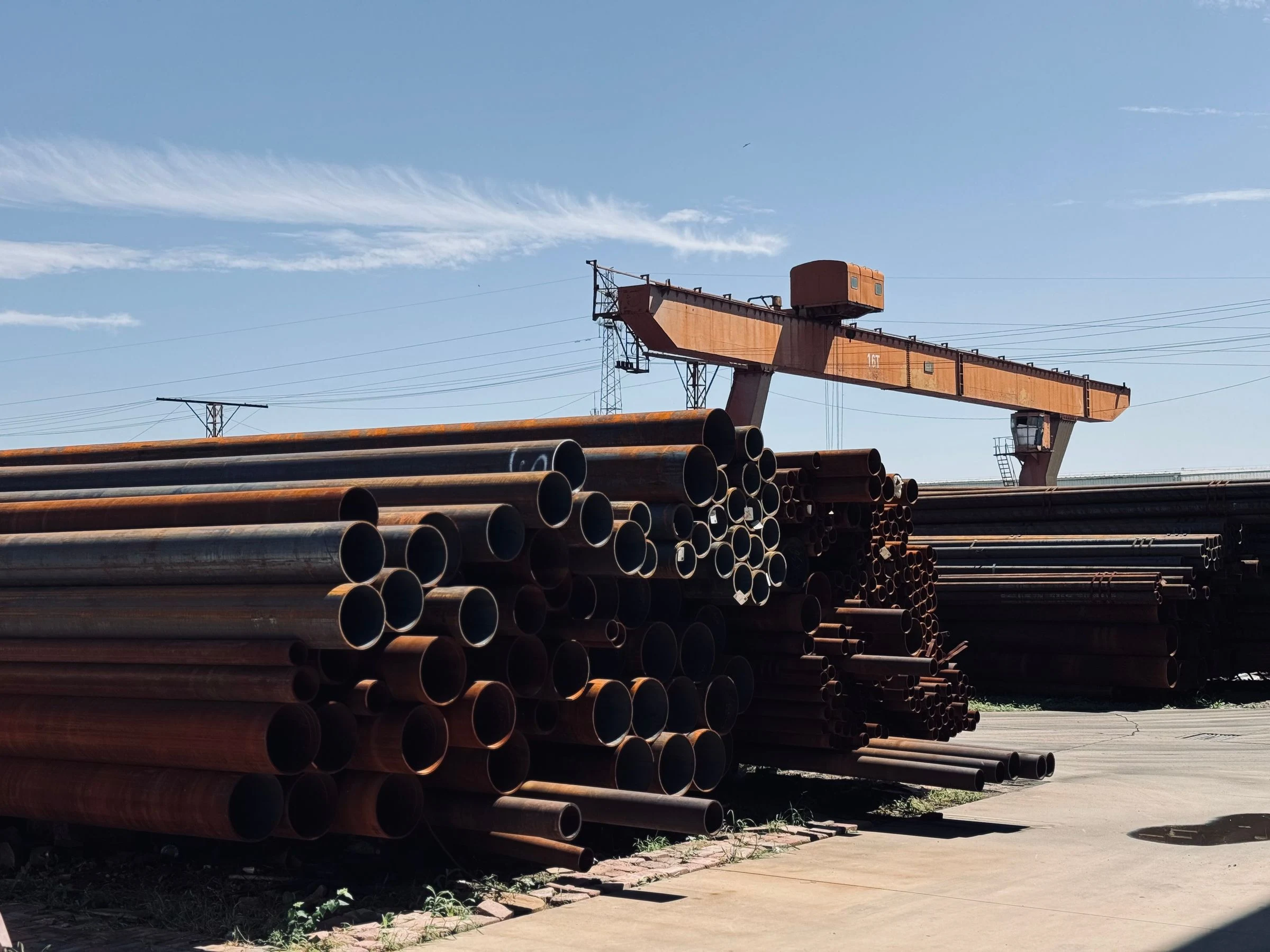
Detailing, fabrication planning and delivery coordination connect material requirements with production and assembly.

Explore this activity
Furniture & Living

Furniture & living

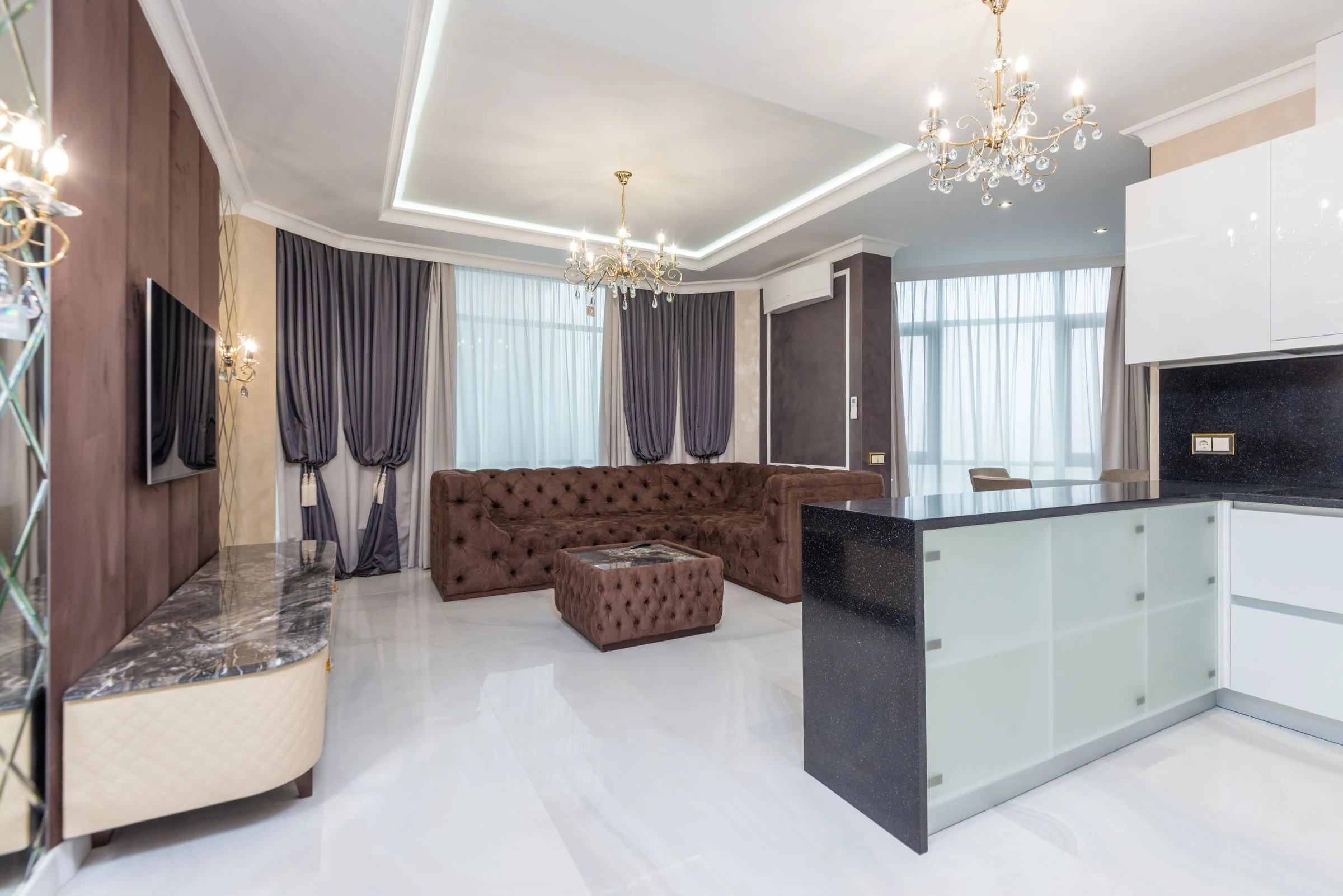
Product suitability, finishes and maintenance requirements support interiors intended to remain useful over time.

Explore this activity
A considered approach

Measure the activity before describing the outcome.

Resource savings or environmental improvements need a defined comparison and relevant data. Quantities, periods and project boundaries matter when reviewing a result. The approach should distinguish practical objectives from outcomes that have been measured and documented.

Discuss your business requirements.

Talk to us about a project, a product or a partnership.

Atilla

Explore Atilla Group.

Portfolio imagery may include architectural visualisations. Project status and the scope of the Group’s involvement are available on request.